

UNDERSTANDING
BREAST CANCER
Knowledge empowers
Awareness saves lives

Understanding
Breast Tissue
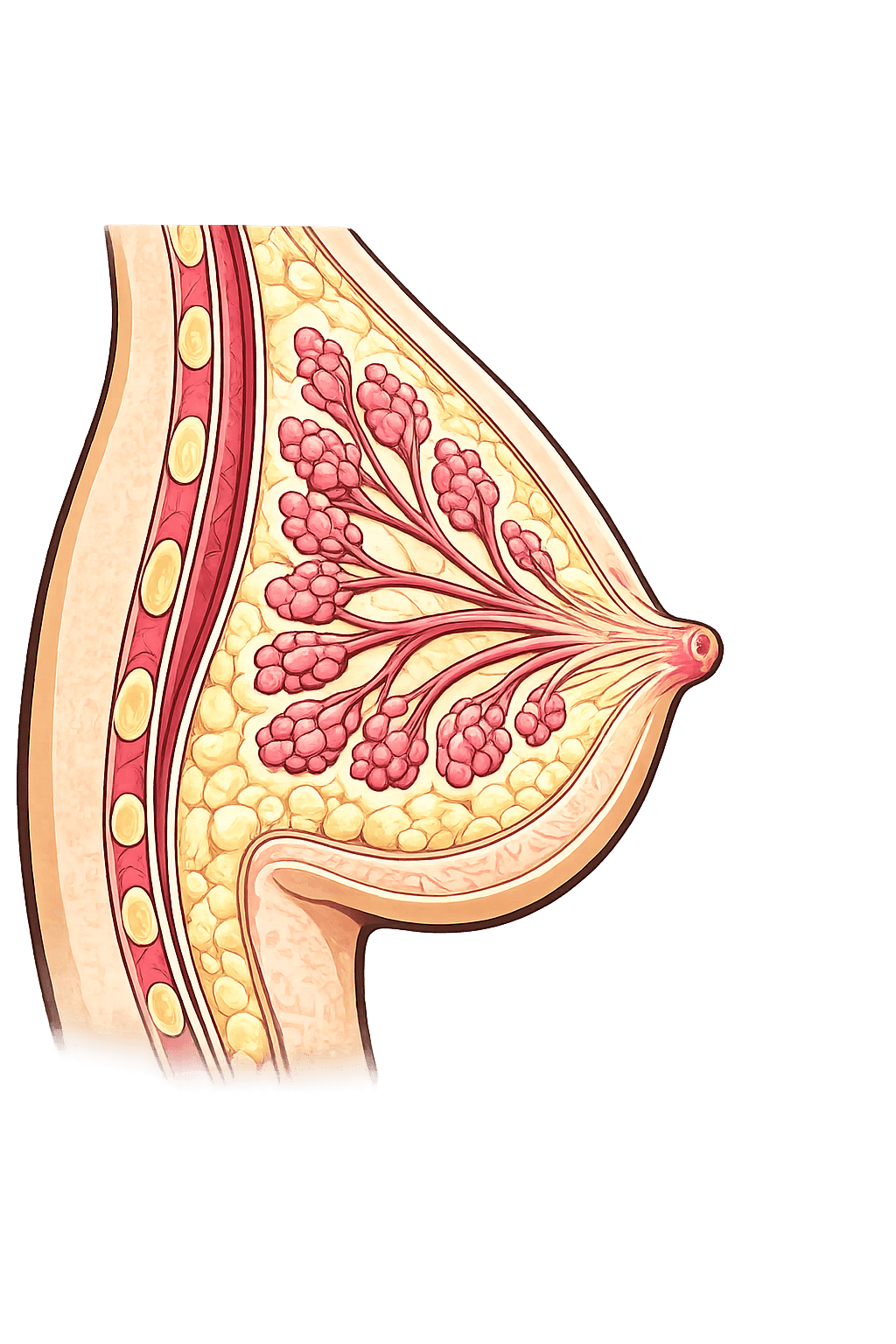
The breast is differentiated into three main parts: lobules (glands in the breast that produce milk), ducts (the tubes that carry milk to the nipple), and connective tissue that surrounds and holds everything together (consisting of fatty and fibrous tissue).
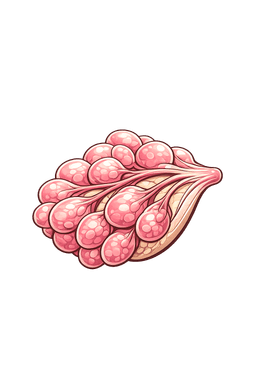
1. Lobules
Glands that produce milk. Most breast cancers start here in the lobules or the ducts.
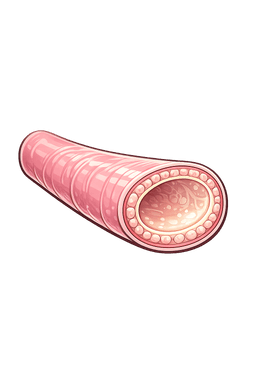
2. Ducts
Tiny tubes that carry milk from the lobules to the nipple. Common site for early cancer.
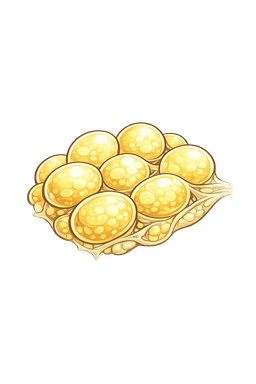
3. Connective Tissue
Fibrous and fatty tissue that surrounds and holds everything in place.
Clinical Reference: Standard Female Breast Anatomy
How it Develops
Breast cancer begins when the normal cell's DNA in the breast tissue is damaged. This damage leads to the development of abnormal cells in breast tissue. However, why or how the DNA becomes damaged is still unknown.
The damage could be caused by genetic, environmental, and lifestyle factors, or in most cases, a combination of the two. Most patients will never know exactly what caused their cancer. However, there are certain established risk factors such as age, gender, genes, and many other factors that are associated with breast cancer.
This type of cancer can be limited to the breast, or it might spread beyond the breast or to other parts of the body.
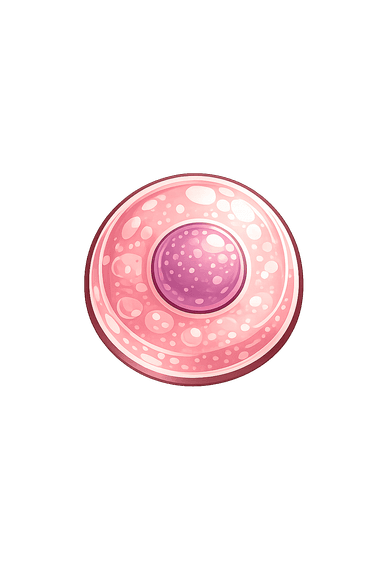
Normal Cell
Cells grow and divide in a controlled manner.
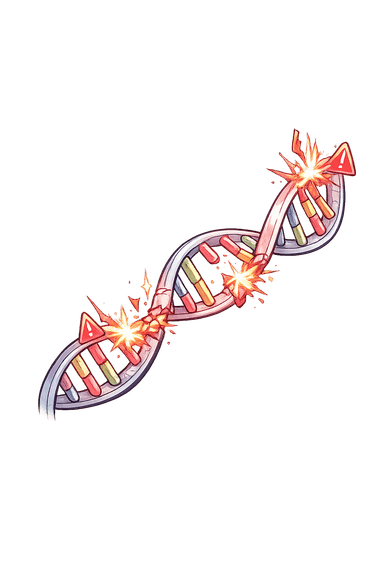
DNA Damage
Mutations occur in the cell's genetic code.
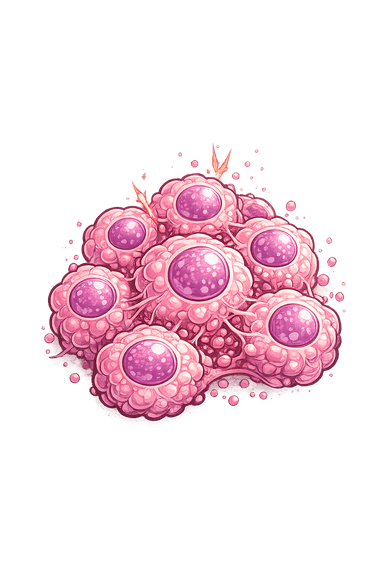
Abnormal Growth
Cells begin to multiply rapidly and uncontrollably.
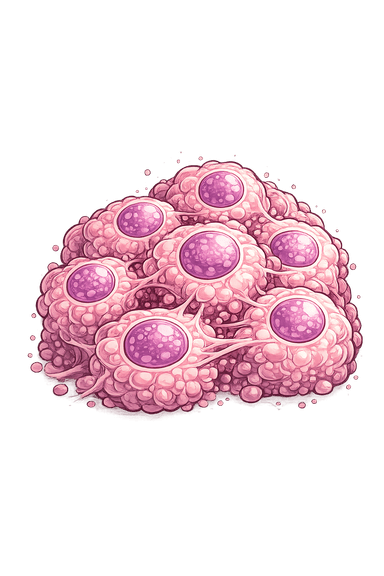
Tumor Formation
A mass of abnormal cells forms a tumor.

"The important thing to note here is that breast cancer is highly treatable when it is detected early."
Let's Understand Different Aspects of Breast Cancer
Essential information to help you take proactive steps toward detection and understanding care.

Early Detection
EEarly detection through regular screening tests and self-examinations can help identify breast cancer early, when treatment is most effective.
Symptoms
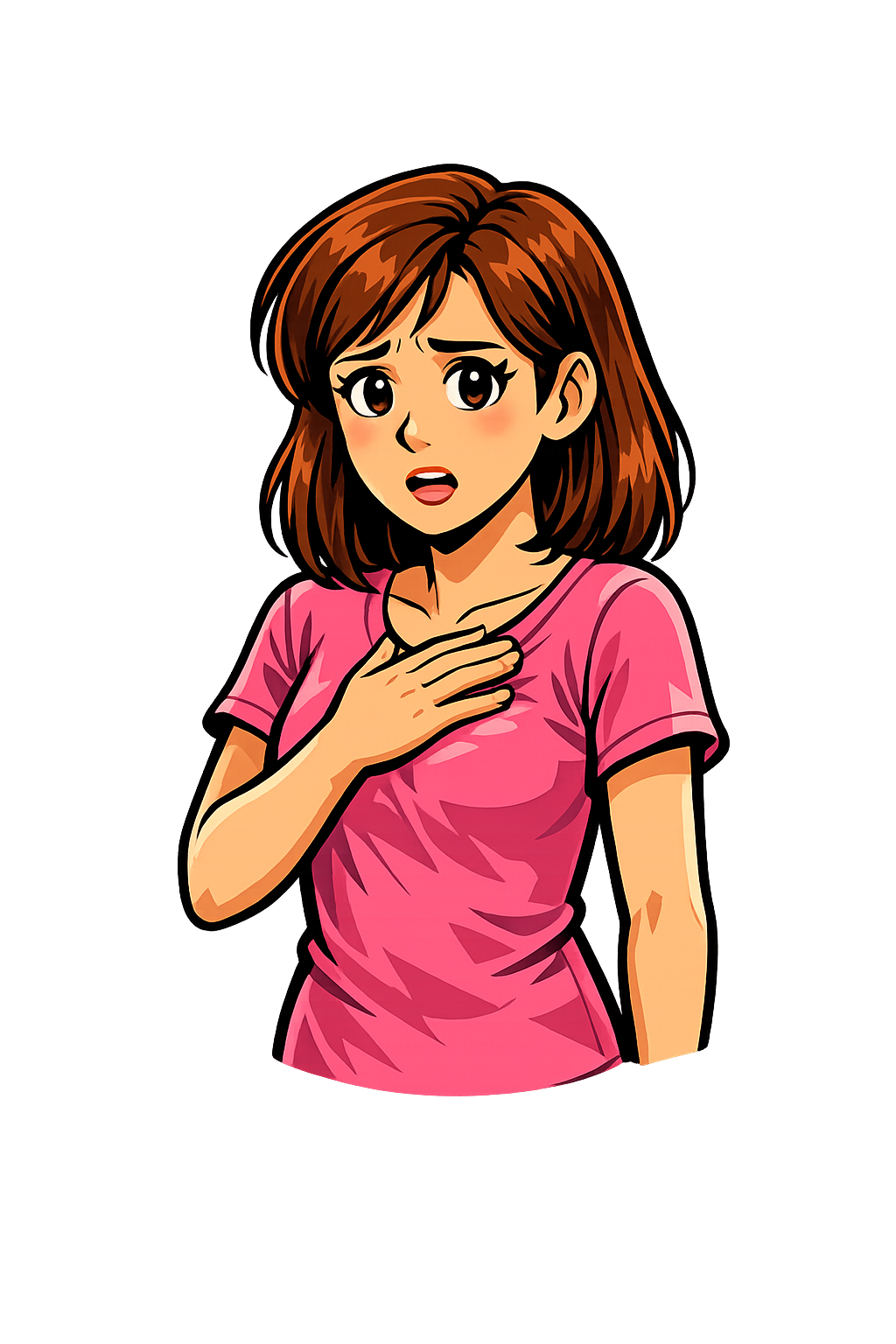
SBreast cancer has a variety of unnoticeable and noticeable symptoms that might alert you to refer to a physician for a checkup.

Risk Factors
RThe reason behind the breast cells mutating is not known, but research indicates certain factors that can increase the risk.
Breast Cancer Types
TAccording to the specific cell that has become cancerous in the breast, the type of breast cancer is categorized into a specific type.
Stages
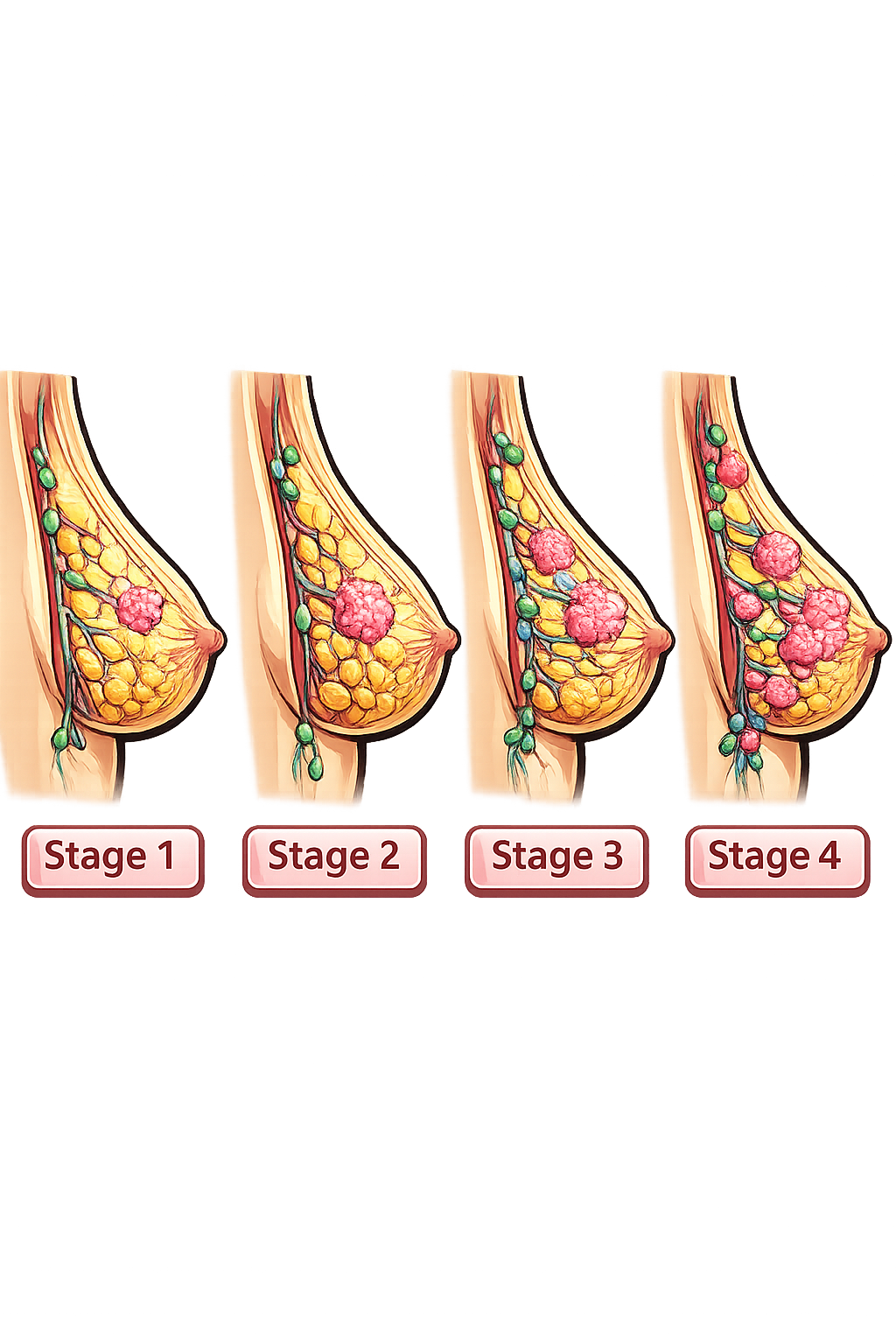
SThe breast cancer stage indicates the extent of cancer in the body and helps determine its seriousness and treatment options.
Diagnosis
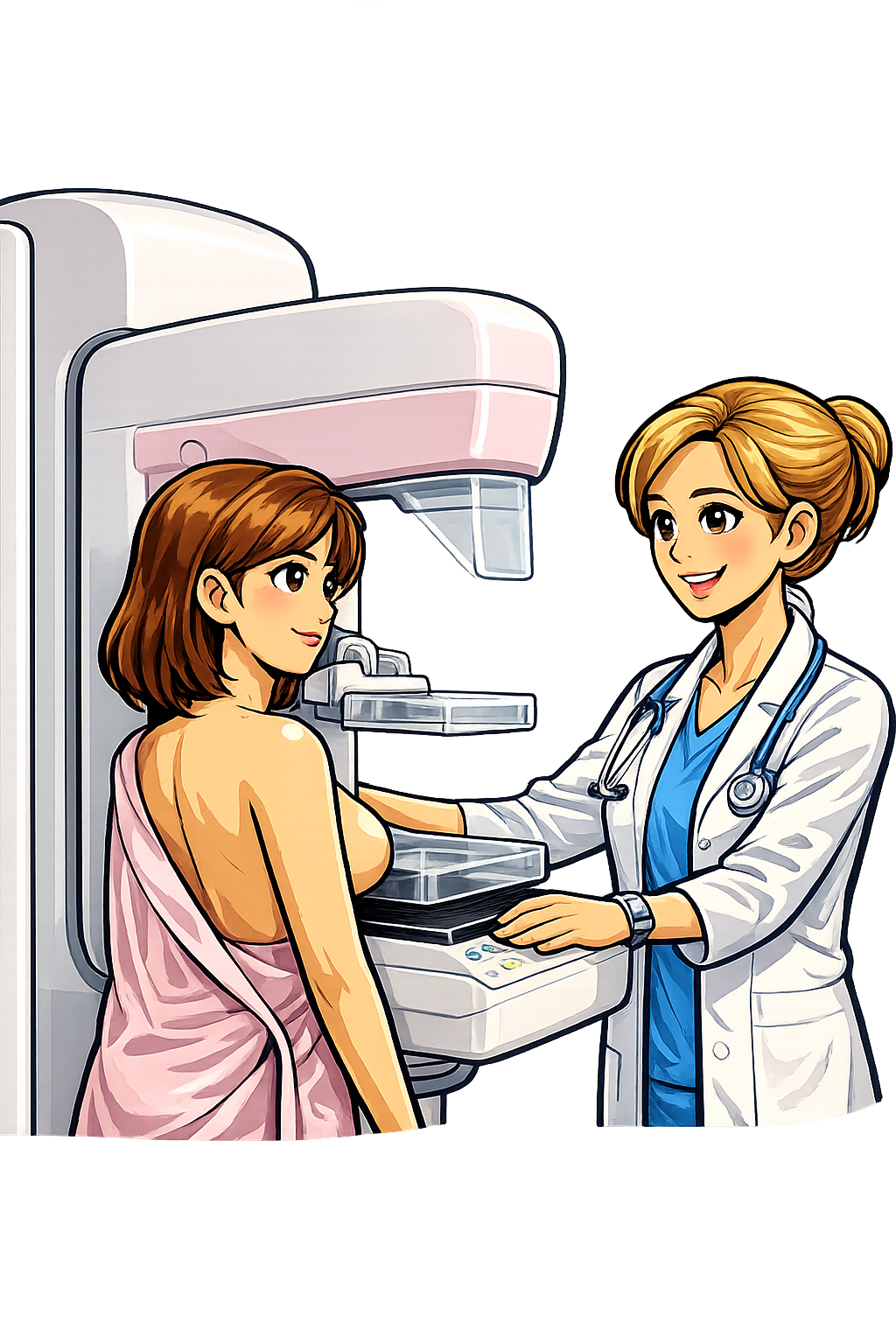
DThe Healthcare provider recommends tests to check for breast abnormalities. These tests consists of several categories.

Treatment
TThe healthcare provider plans a unique treatment according to the specific needs for treating the breast cancer.

Myths
MUnderstanding the myths about breast cancer helps to clear the misconceptions about the disease which is very important.
Male Breast Cancer
MMale breast cancer accounts for 1% out of all breast cancer cases. Therefore its important for men too to get aware.