
Myth vs.
Truth
Knowing the truth behind common misconceptions can protect you from unnecessary fear and help you stay informed about your health.
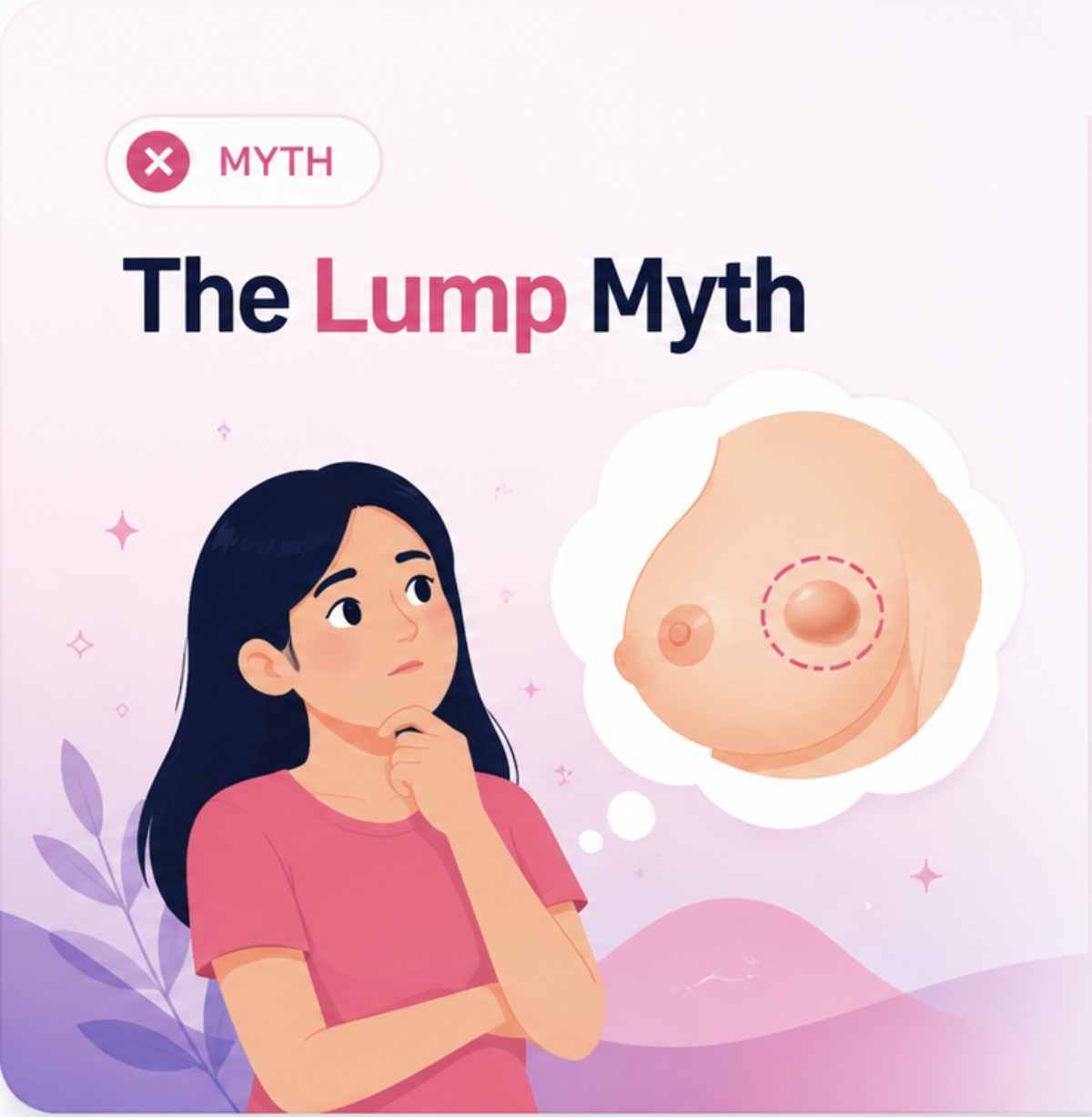
"A very common myth is that if an individual has a lump, it means that person will get cancer. But that’s not the truth."
Even though a lump can be a sign, not every lump is cancerous, and breast cancer doesn’t always cause a noticeable lump. Misconceptions can delay proper medical care.
Core Misconceptions
15 Widespread Beliefs Decoded
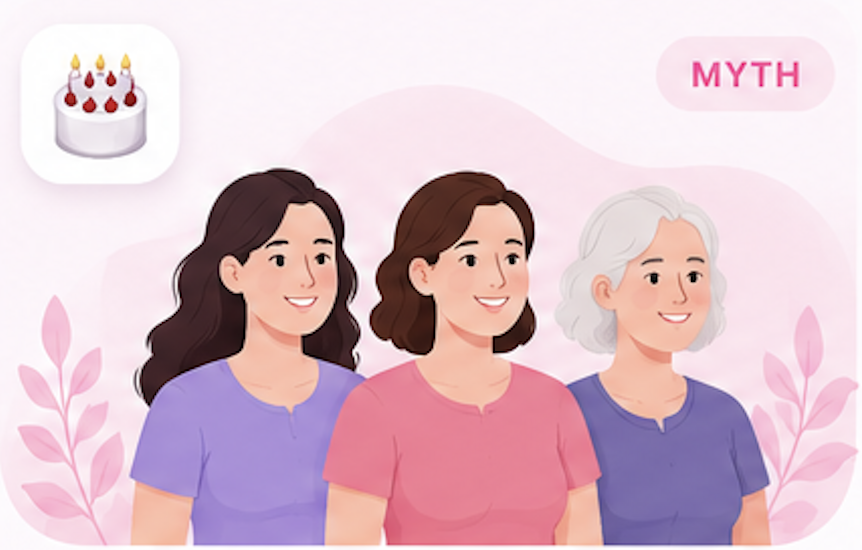
"Only older women get breast cancer."
Breast cancer can affect women of all ages, as well as men.
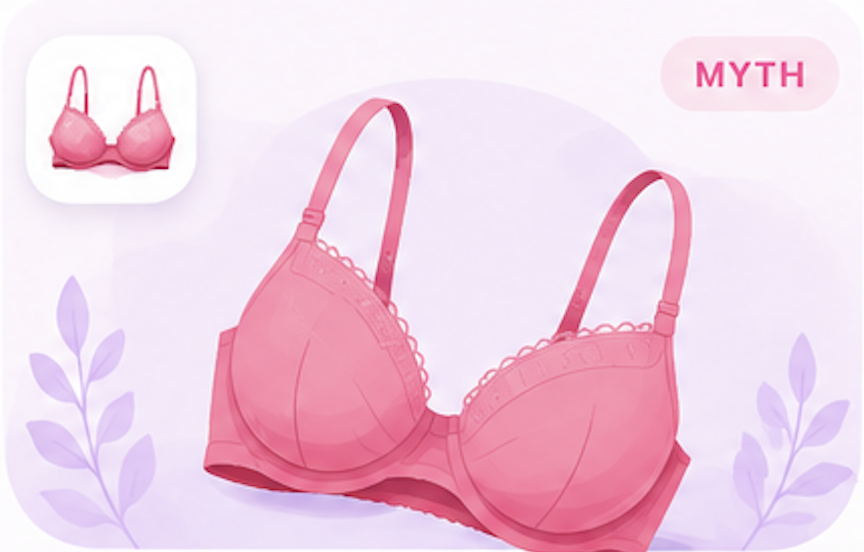
"Underwire bras cause breast cancer."
There is no scientific evidence linking underwire bras to breast cancer.

"Consuming sugar causes breast cancer."
Consuming sugar does not cause breast cancer.
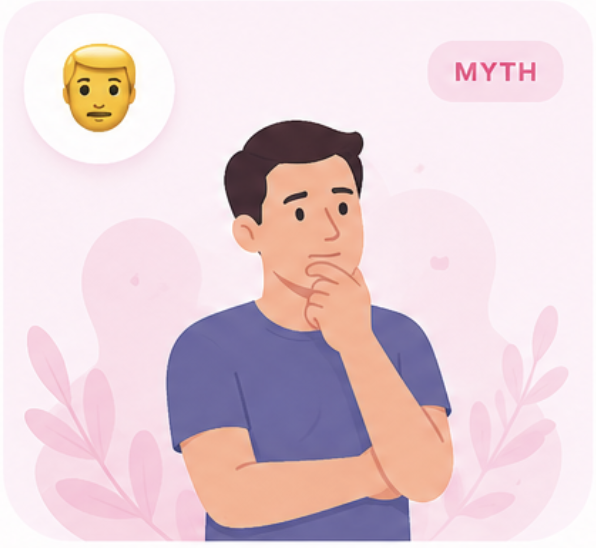
"Men cannot get breast cancer."
Men can get breast cancer, though it is less common.
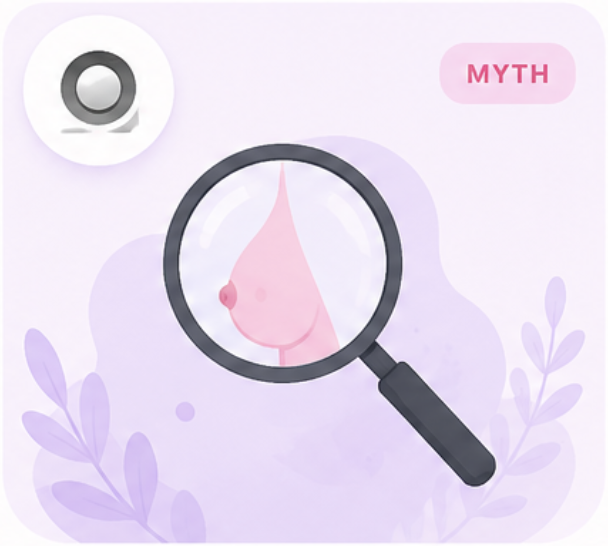
"Every breast cancer forms a lump."
Not all breast cancers form a detectable lump.

"Family history guarantees you will get it."
Family history increases risk, but it doesn’t guarantee breast cancer.
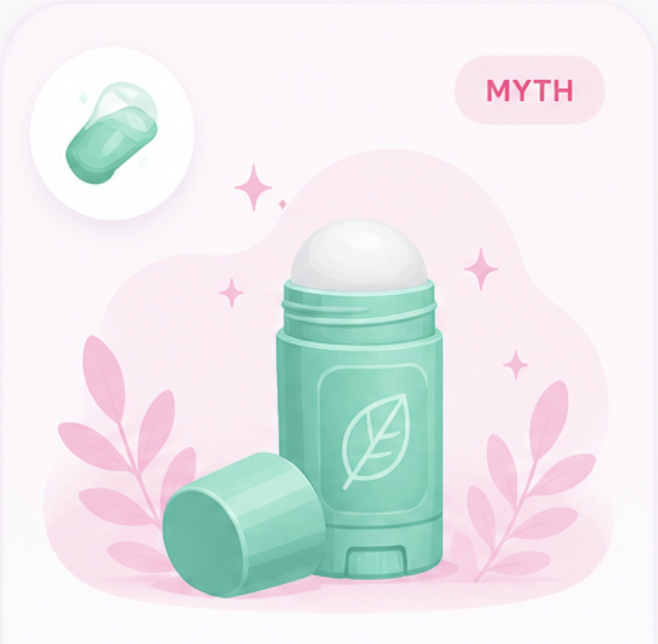
"Deodorants cause breast cancer."
No research supports the claim that deodorants or antiperspirants cause breast cancer.
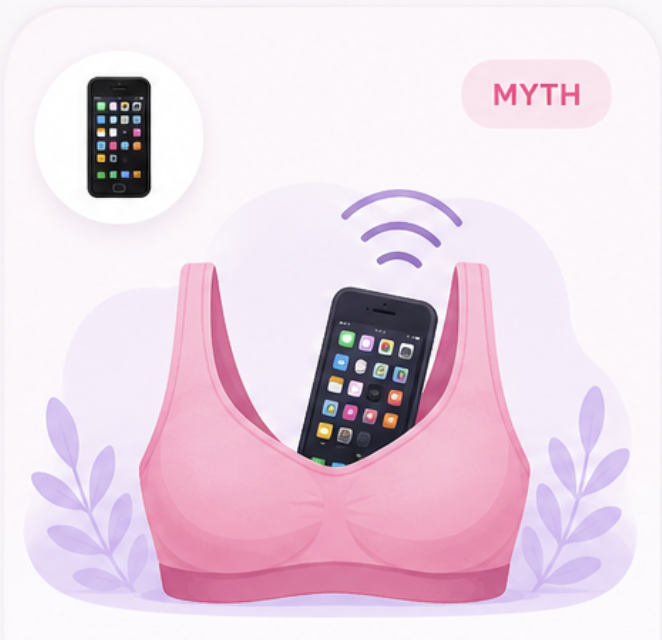
"Phones in bras cause cancer."
Carrying a phone in your bra has not been proven to cause breast cancer.
"All treatments are the same."
Breast cancer treatments vary depending on the type and stage.
"Alcohol and tobacco are unrelated."
Alcohol and tobacco are linked to an increased risk of breast cancer.
"Childless women are at no extra risk."
Both women with and without children can develop breast cancer.
"Mammograms are dangerous."
Mammograms use low radiation levels and are safe for detecting breast cancer.
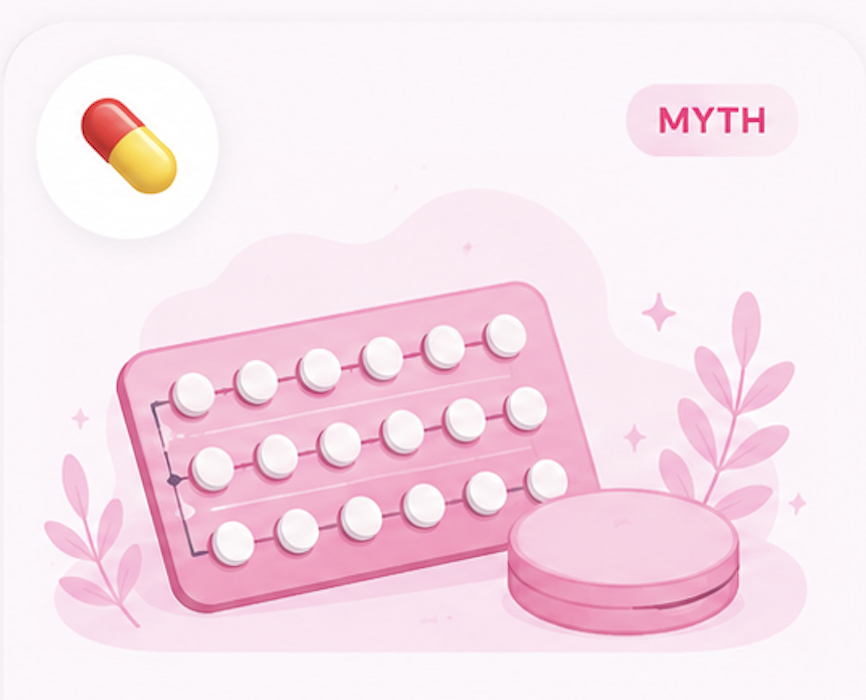
"Contraceptives are always dangerous."
Some studies show a slight increase in risk with long-term use, but the overall risk is low.
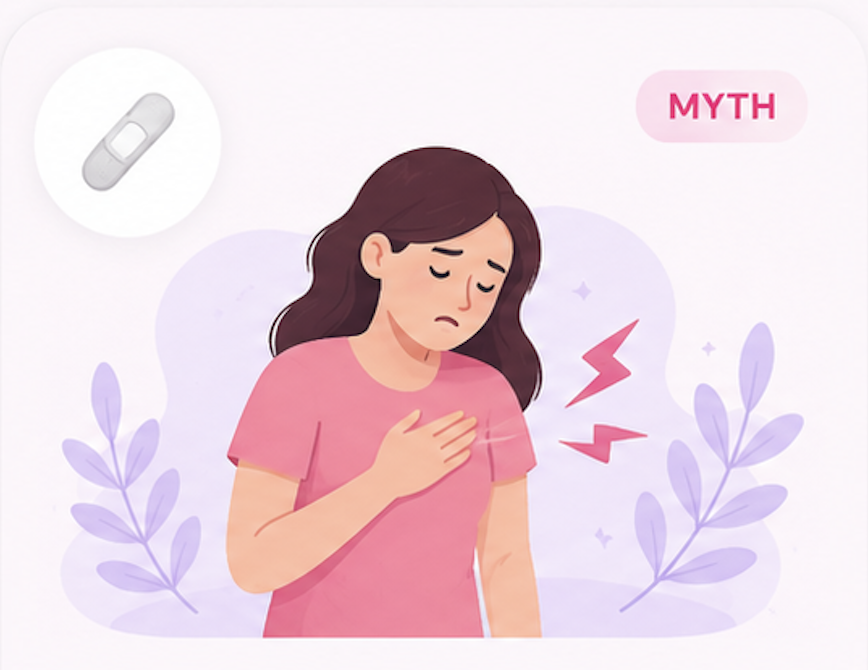
"Breast injury causes cancer."
Breast pain or injury does not cause breast cancer.

"Breast cancer is contagious."
Breast cancer is not contagious.
Understand the
Risk Factors
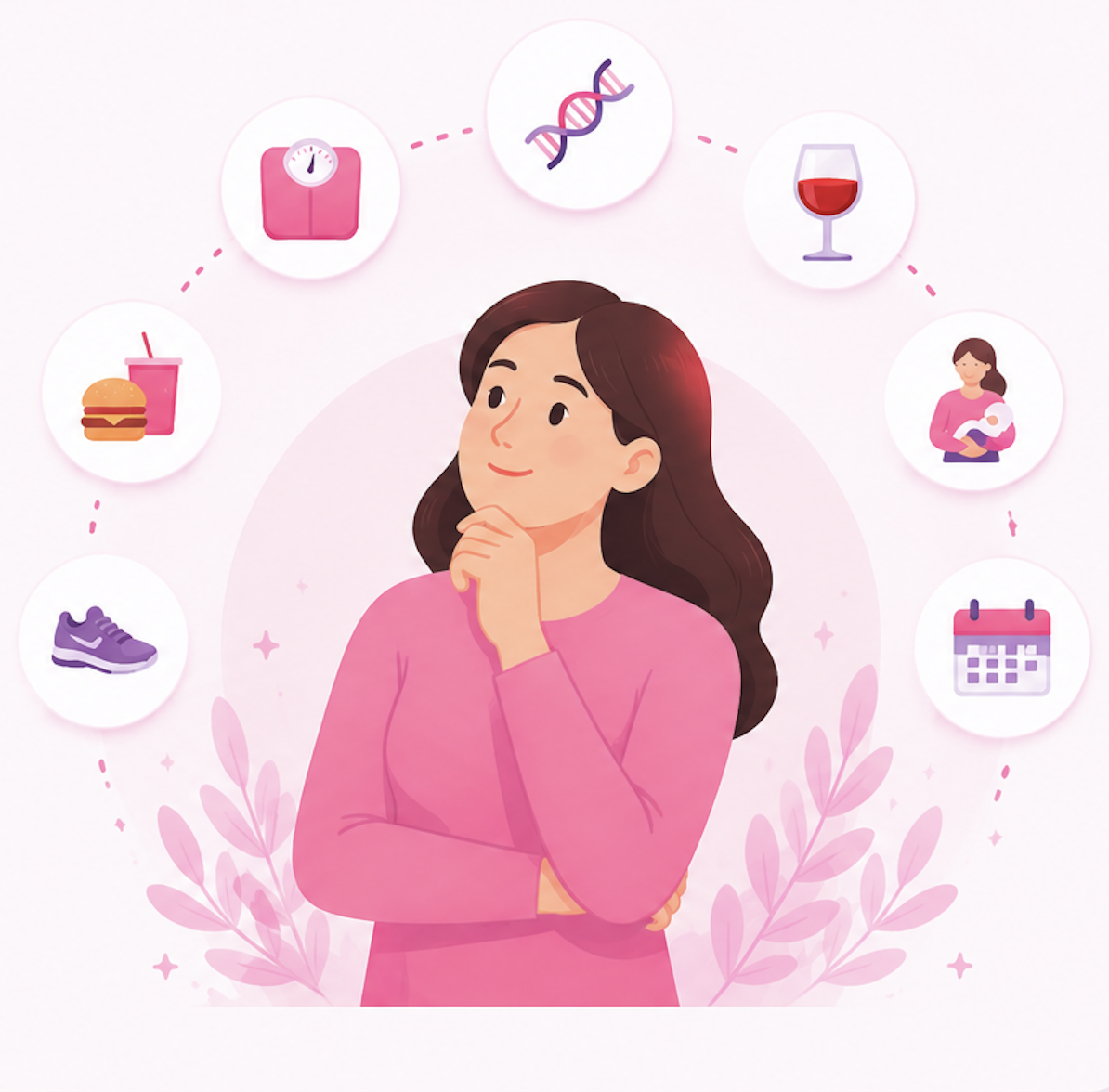
Now that you know the facts, let's explore what can increase your risk of breast cancer.
Read More About Breast CancerMedical Disclaimer
Disclaimer: This article is provided for medical knowledge and educational purposes only. It is not intended to replace professional medical advice, diagnosis, or treatment. Always consult a qualified healthcare professional for any medical concerns.
Verified Sources
Centers for Disease Control and Prevention (CDC)
Cancer Research UK
City of Hope
National Cancer Institute (NCI)
Breast Cancer Research Foundation (BCRF)
Oncology Clarity Index • 2026