
Early Detection of cervical cancer
Early
Detection
Protects.
Cervical cancer is largely preventable. Identifying the virus early identifies the virus early, greatly improving successful treatment.
"Awareness of signs and symptoms helps avoid unnecessary delays in diagnosis and treatment."

Let's understand screening and its methods
Cervical cancer screening helps find early signs of the disease, like precancerous lesions and HPV infections, allowing for easier treatment and prevention of cancer development or spread.
Prevents Late-Stage Challenges
Identifies Abnormal Changes Early
Methods.
Below are the three primary clinical pathways for early detection.

VISUAL INSPECTION WITH ACETIC ACID (VIA)
Detects precancerous cervical lesions in a short, private, and painless procedure.
The doctor will apply 5% acetic acid for 2-3 mins, followed by Lugol's Iodine. VIA Positive indicates a lesion; VIA Negative indicates none.
HUMAN PAPILLOMA VIRUS (HPV) TEST
A crucial molecular test to find HPV infections before any symptoms ever appear.
A special brush collects cells which are laboratory-tested to prevent cancer development through timely intervention.
Launch 3D Representation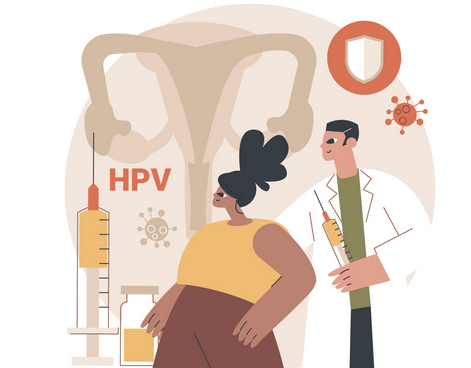
PAP TEST OR
PAP SMEAR
Microscopic cell examination to check for abnormalities, risk of cancer, or inflammation.
"Cells are collected gently via a cotton-tipped stick or brush from the cervix, then examined on a glass slide to identify indicators of cervical cancer risk."
Clinical Protocol Standard
The Findings.
Post-Screening Care Pathways
Process after positive screening
A positive result does not mean you have cancer. It means you may need further diagnostic tests.
Process after negative screening
Normal results indicate a healthy cervix. Re-testing is recommended every 3-5 years.

Source Index.
Clinical VerificationCancer Research UK / Cervical Cancer / Getting diagnosed
Cancer Research UK / Cervical Cancer / Cervical screening
Tata Medical Center / Preventive Oncology
American Cancer Society / All About Cancer
American Cancer Society / Cervical Cancer
American Cancer Society / Detection, Diagnosis, and Staging
Training Module on Cancer Awareness (NCG India)
American Cancer Society / The Pap Test