
Cervical Cancer
Comprehensive insights into cervical health, prevention through screening, and pathways for treatment and recovery.
Understanding Cervical Health
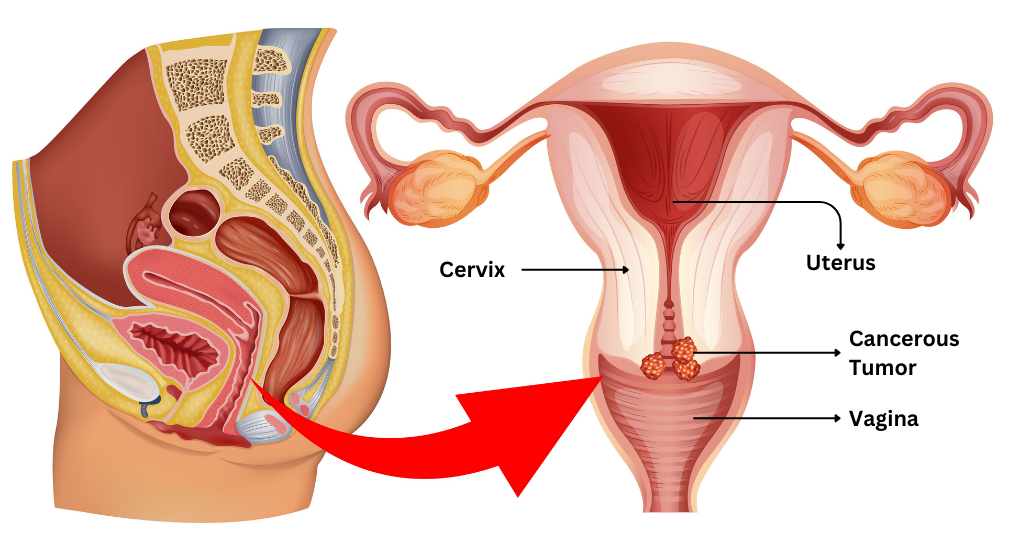
Cervical cancer is a type of cancer that starts in the cervix, which is the lower part of a woman’s uterus that connects to the vagina.
Before cancer develops, the cells at the junction where the outer layer of the cervix meets the inner layer can undergo changes known as dysplasia. Dysplasia is an early sign of cancer, and if it is not detected and treated promptly, these abnormal cells can continue to grow and multiply, eventually forming cancerous tumors.
The primary cause of these changes is a persistent infection with certain types of human papillomavirus (HPV), which is spread through sexual contact. While many people clear the HPV infection naturally, those who do not may develop dysplasia that can progress to cancer if left untreated.
Therefore, it is important to detect dysplasia early. To help with this, we have outlined several aspects that can help you recognize the signs of dysplasia. Being aware of these aspects and seeking early detection through regular screenings can greatly improve the chances of successful treatment for cervical cancer.
Different Aspects of Cervical Cancer
Comprehensive information to help you navigate diagnosis and treatment.
What are the symptoms?
Cervical cancer can have both noticeable and mild symptoms that might suggest it’s time to see a medical professional.
What are the risk factors?
Human papillomavirus (HPV) is the most common risk factor for cervical cancer, but other factors also contribute.
Types of Cervical Cancer
According to the specific cell that has become cancerous in the cervix of a women, the type of cervical cancer is categorized.
What are the stages?
The stages of cervical cancer help determine the extent of the disease, guiding treatment options and prognosis.
What is the diagnosis?
The diagnosis helps in identifying the presence of the disease, determining its stage, and informing treatment strategies.
What is the treatment?
Depending on the stage and type of cancer the course of treatment for cervical cancer varies patient to patient.
What are the myths?
It is important to differentiate between what is myth and its truth to promote awareness and encourage prevention.
What are the side effects?
Knowing the side effects of cervical cancer is important for informed treatment decisions and effective symptom management.